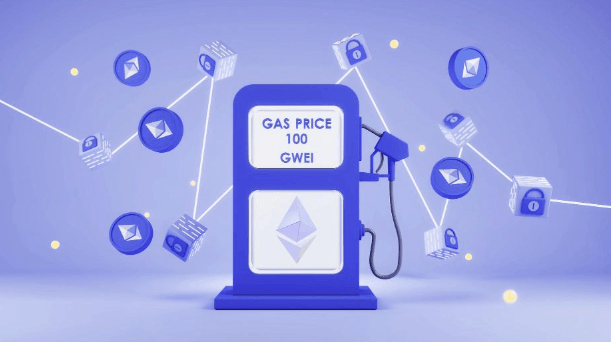
Ethereum gas fees hinge on three concepts: gas units representing work, gas price denoting value per unit, and a gas limit capping total cost. Miners or validators prioritize transactions offering higher fees, shaping block composition. Demand, complexity, and MEV drive fee spikes; optimization stems from mempool signals, timing, and minimizing unnecessary calls. The result is a dynamic market that balances efficiency with cost, yet practitioners must anticipate shifts that could alter expense and strategy in real time.
Understanding Ethereum Gas, Gas Price, and Gas Limit
Gas in Ethereum is the unit that measures the computational work required to execute operations on the network. The concept separates usage from cost, enabling transparent assessment of required effort. Gas price sets unit worth, while gas limit bounds individual transactions. Ethereum wallets rely on this framework, and Gas measurement informs budgeting, prioritization, and network efficiency, supporting user autonomy and informed participation.
How Miners and Validators Decide Which Transactions Go First
Miners and validators determine transaction order primarily through fee signals and protocol rules that govern block inclusion. They evaluate transactions based on gas price, size, and mempool signals, balancing competing demands.
Fair ordering emerges from fee dynamics and network rules, while pool prioritization shapes which transactions enter a block first, often favoring higher bids and optimal block utilization without systemic bias.
Key Drivers of Ethereum Gas Fees, and When They Spike
Transaction fees on Ethereum are driven by a combination of demand dynamics, network capacity, and protocol incentives. The drivers spike when activity concentrates: token swaps surge, liquidity surges, and complex transactions compete for block space.
Cross chain fees rise with bridge use, layer-1 congestion, and optimistic/fraud-proof timelines.
Volatility and MEV incentives further influence bid pressure, shaping short-term volatility and long-run fee expectations.
See also: How Digital Assets Create New Economic Opportunities
Practical Tips to Estimate, Optimize, and Save on Gas
Practical estimation and cost-saving on Ethereum gas require a disciplined approach that combines real-time insights with disciplined planning.
Analysts recommend monitoring mempool activity, estimating gas fees with confidence margins, and scheduling transactions during lower network load.
Optimize by selecting appropriate token standards and minimizing on-chain calls.
Consider blockchain security implications and avoid redundant approvals; measure impact, not merely cost, to preserve freedom and reliability.
Conclusion
In sum, Ethereum gas operates as a disciplined triad: units of work (gas), price signals (gas price), and caps (gas limit) that together steer on-chain economics. Miners and validators prioritize high-fee transactions, shaping block composition and fee dynamics. Key drivers—network demand, transaction complexity, and MEV—explain spikes, while strategic timing and mempool awareness offer cost relief. Thus, cost-awareness and disciplined budgeting become essential tools for users navigating a volatile, protocol-driven market, where value follows priority, not merely activity.
